Mexico City has more museums than almost any other city on earth, and trying to see them as one long list is exhausting. This guide sorts the best museums in Mexico City into seven themes, so you can pick the ones that match your day. Each section covers where the museum sits, when it is open, what a ticket costs, what you will actually see inside, and the practical tips that make the visit smoother, followed by the tickets and guided tours worth booking ahead.
Hours, prices and closing days on this page were last checked in July 2026 — but museums shuffle schedules often, so confirm on the official site before a special trip.
Museo Nacional de Antropología / Ancient Mexico & Anthropology
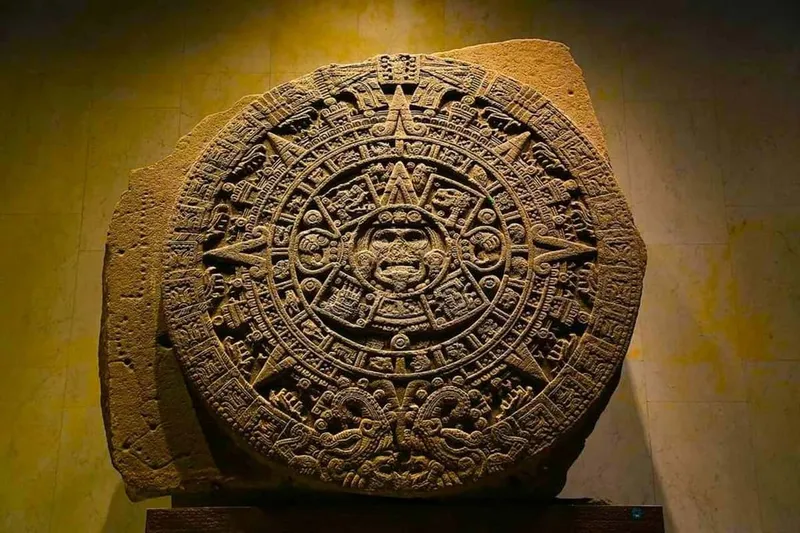
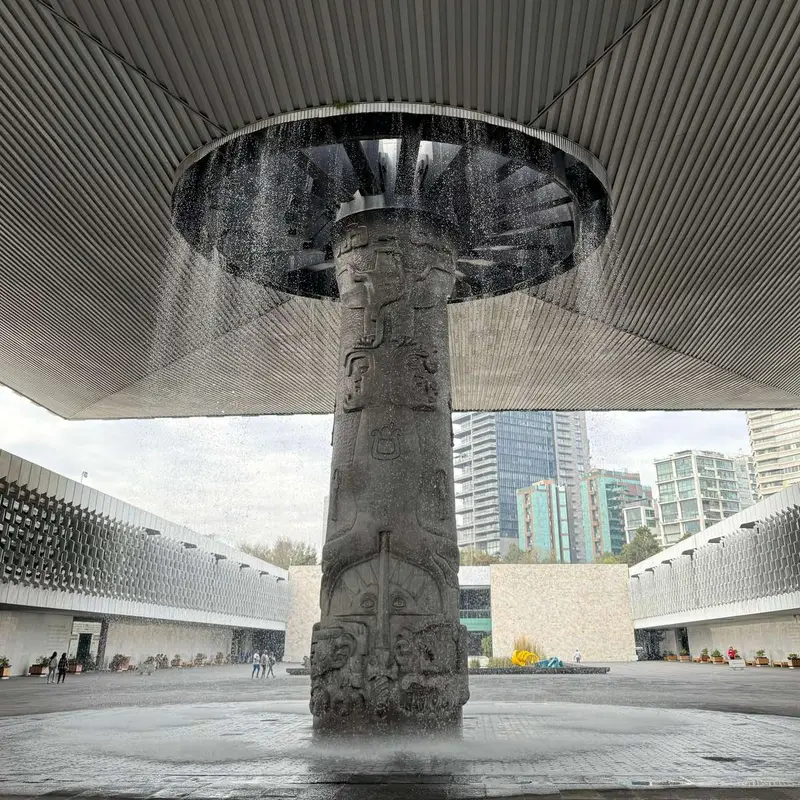
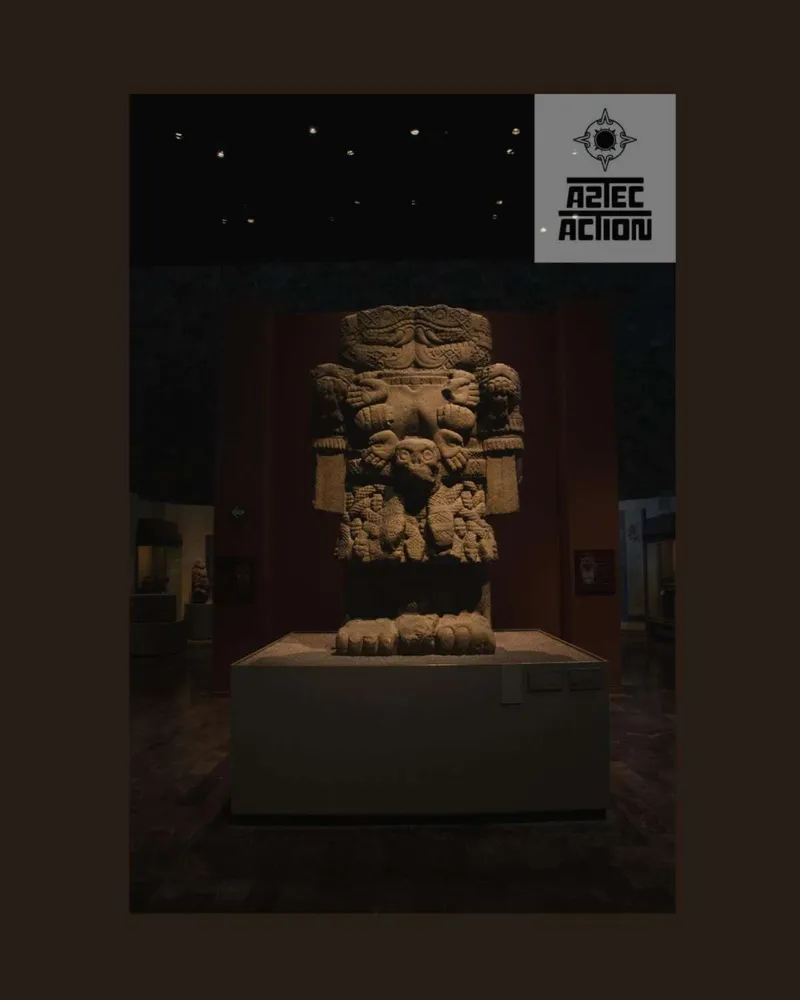
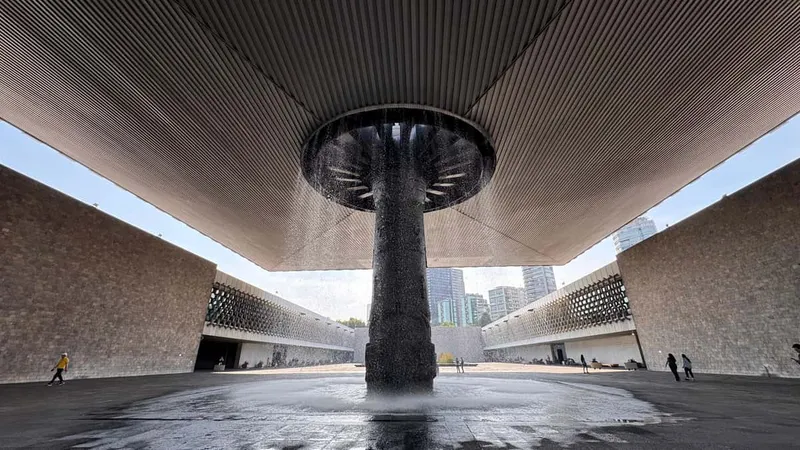
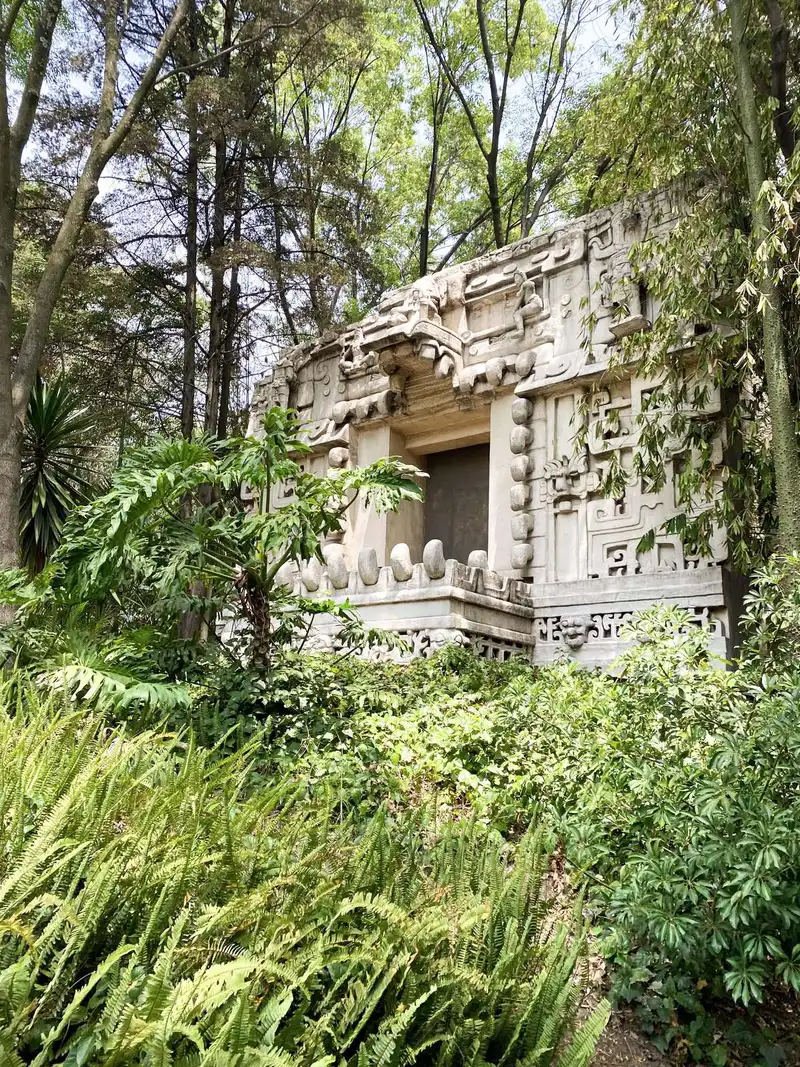
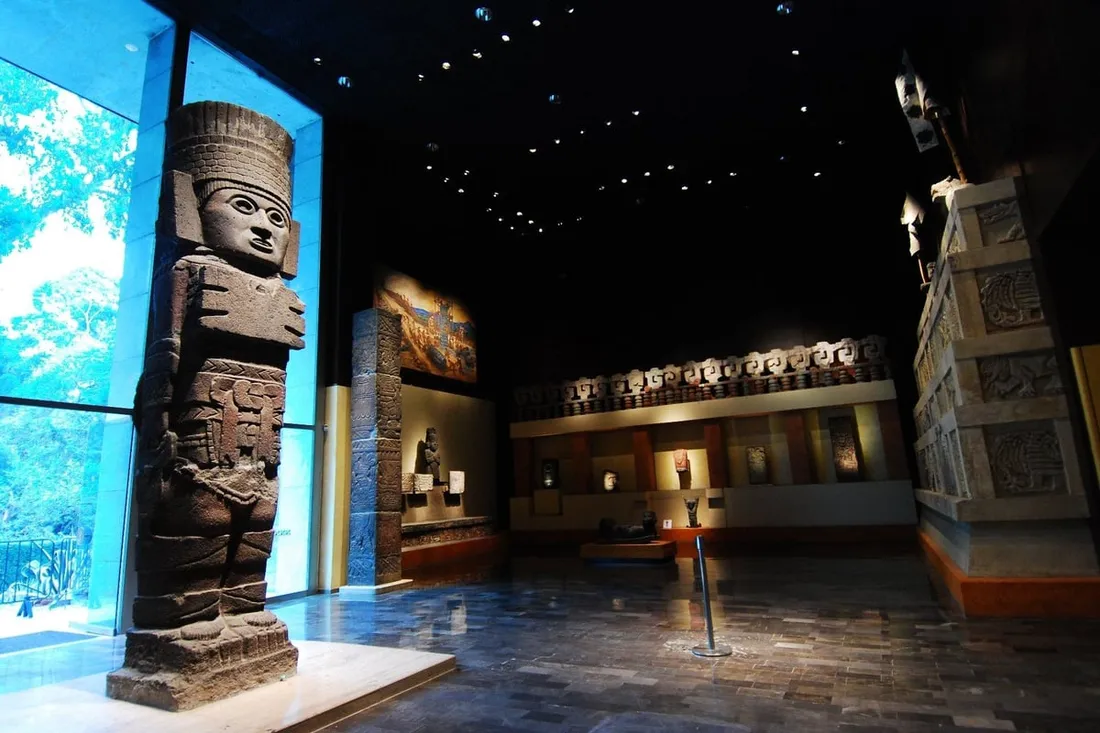
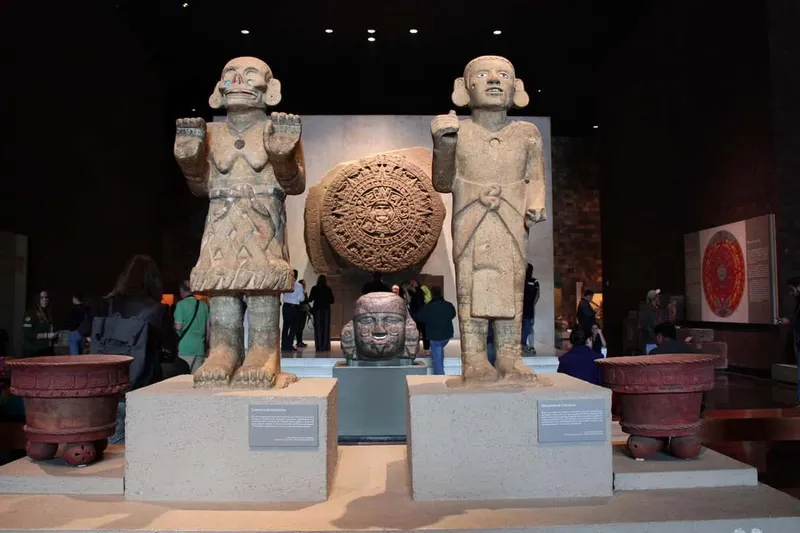
If you see only one museum here, make it the National Museum of Anthropology in Mexico City's Chapultepec Park. It holds the world's greatest collection of pre-Hispanic art across 22 halls arranged around a vast courtyard shaded by a single concrete umbrella. Plan for at least three hours; serious visitors spend a half day. It opens Tuesday to Sunday from 9:00 to 18:00 and closes on Mondays, and mornings are far calmer than the afternoons when the tour buses arrive.
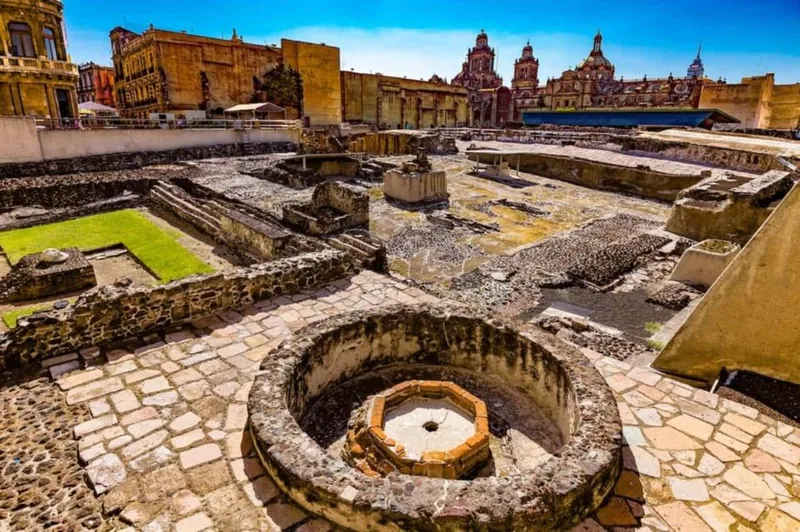
A ten-minute walk downhill connects it to Chapultepec Castle, which is why so many visitors pair the two in one Chapultepec day. Down in the historic center, beside the Zócalo, the Templo Mayor completes the ancient-Mexico story: the excavated Great Temple of Tenochtitlan, with a modern museum built over the ruins holding the finds. Entry to each is around 95 MXN, roughly five US dollars, and Sundays are free for Mexican residents, which also makes them the most crowded day.
Signage is bilingual but sparse, so a guided visit or the digital audio guide pays off here more than almost anywhere else in the city. Bring water for the museum's long halls, wear comfortable shoes, and start at the Mexica hall with the Sun Stone before your energy runs out. Skip-the-line tickets are worth it on weekends and holidays.
Museo Frida Kahlo / Frida & Coyoacán
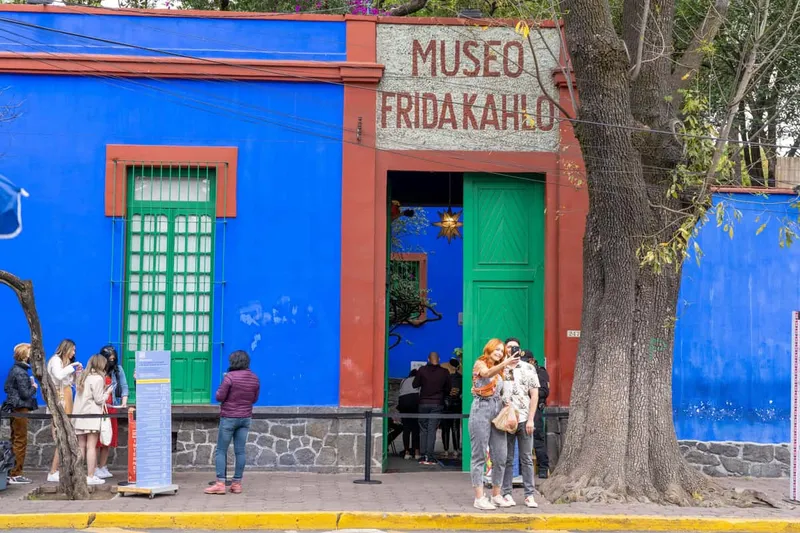
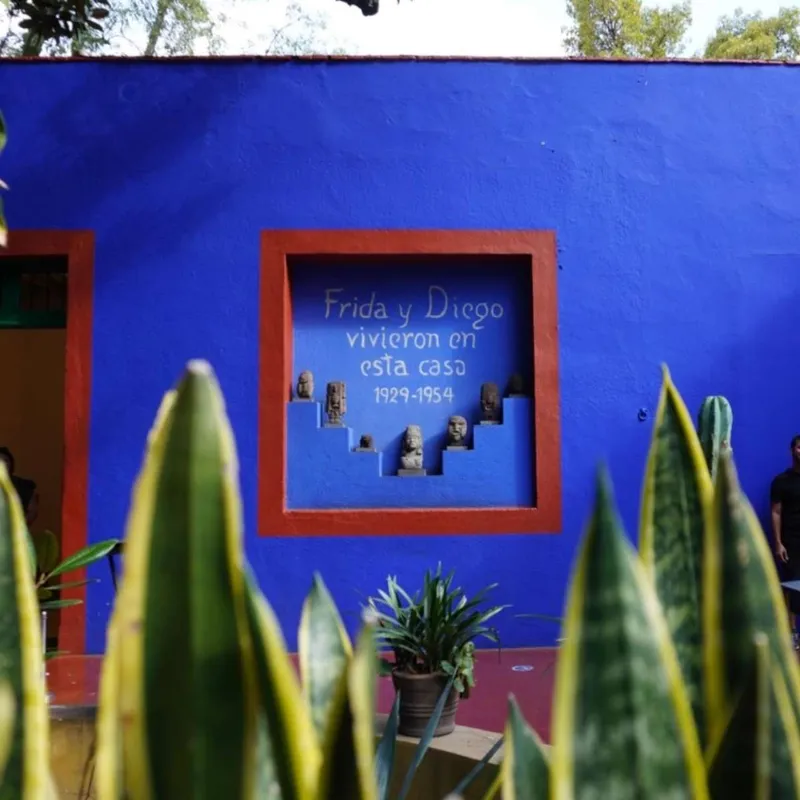
The Museo Frida Kahlo, known to everyone as the Casa Azul, is the most-booked museum in Mexico City, and it earns the fame. This is the actual house in Coyoacán where Frida was born, lived with Diego Rivera, and died, preserved almost exactly as she left it. It opens Tuesday to Sunday, roughly 10:00 to 17:30, with Wednesdays starting at 11:00, and closes on Mondays.
The single most important planning tip: buy timed tickets online days in advance. The Casa Azul sells out, walk-up spots are rare, and prices start around 270 MXN. Give Coyoacán itself a couple of hours too, so aim for a late-morning slot and stay for lunch on the plaza. Metro Coyoacán or General Anaya leaves you a short walk away.
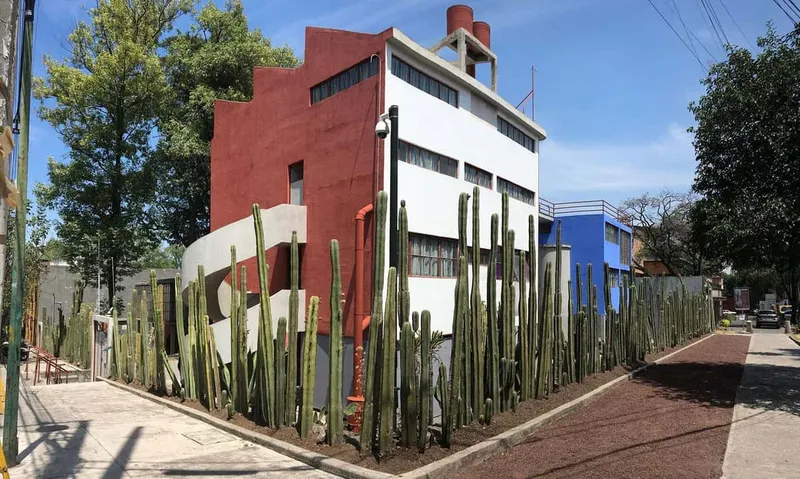
Frida's world spills beyond the Blue House. In San Ángel, the twin functionalist studio houses she shared with Diego, linked by a rooftop bridge, add the painter's working side of the story for a fraction of the price. And if the Casa Azul is sold out, the Museo Dolores Olmedo holds one of the largest collections of Frida and Diego works, though it sells tickets only at the door.
Palacio de Bellas Artes / Art & Muralism
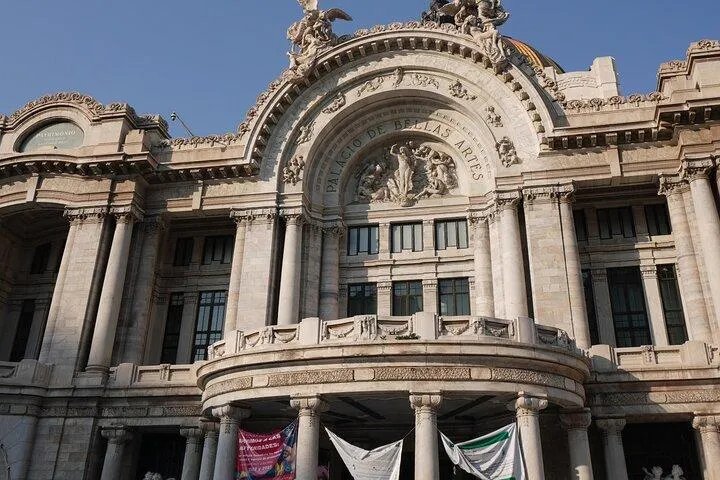
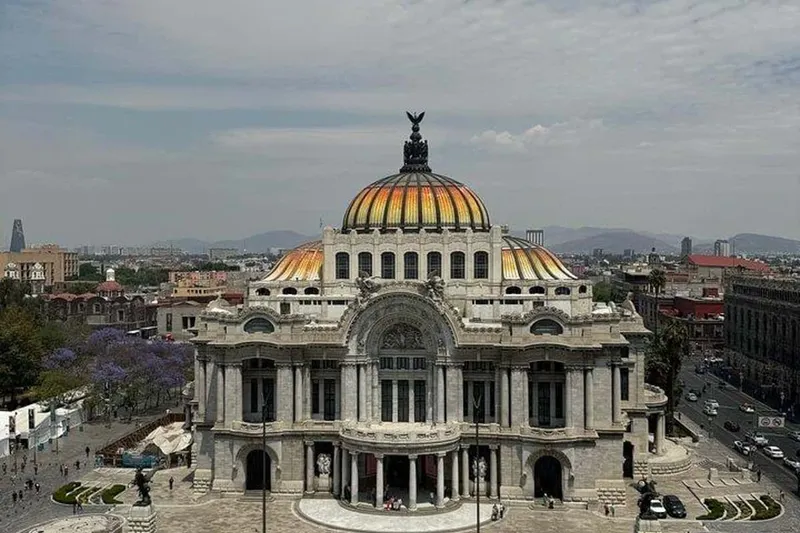
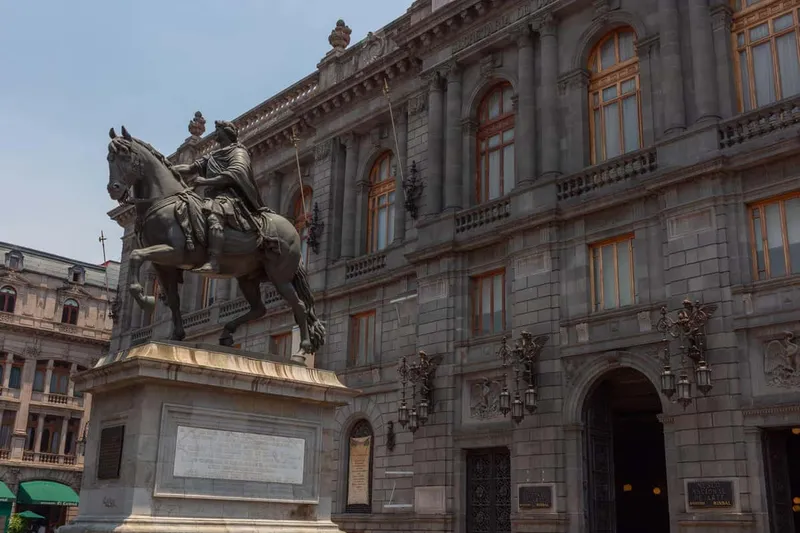
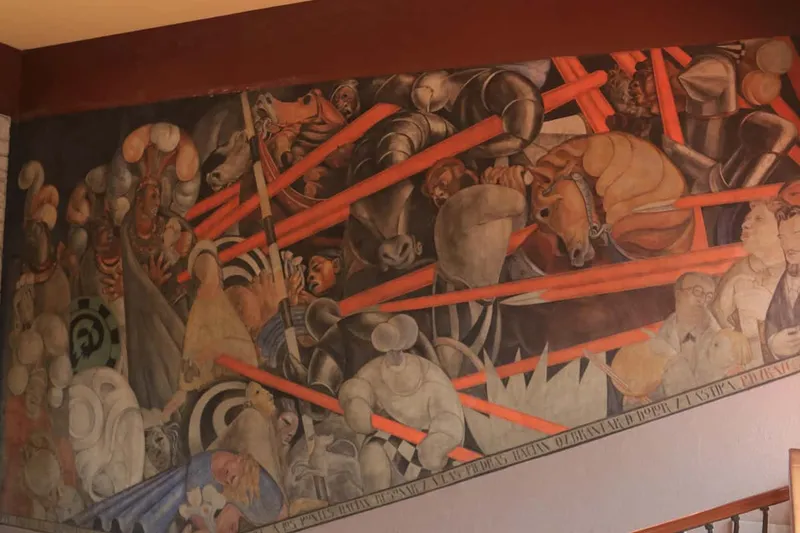
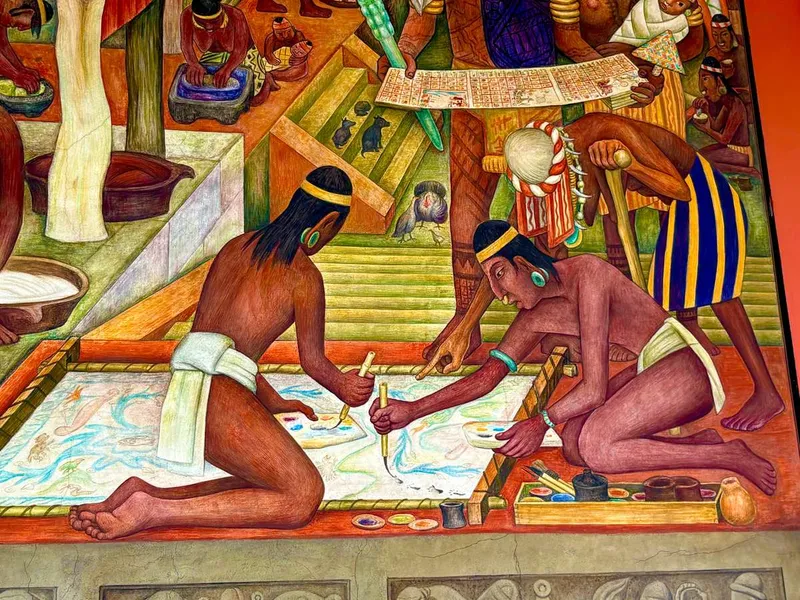
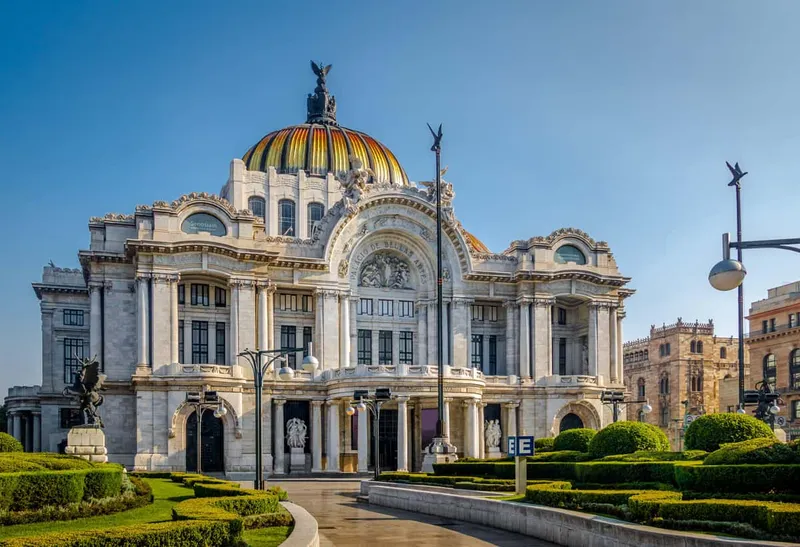
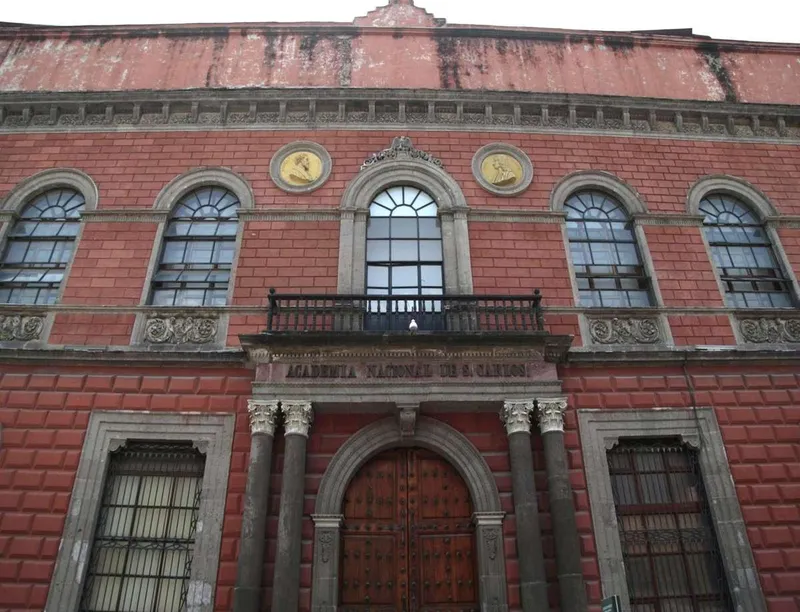
Art in Mexico City means murals first. The city gave the world muralism, and the movement's founding works still cover the walls of the historic center. The best art museums in Mexico City cluster within a short walk of each other: the Colegio de San Ildefonso, where it all began in the 1920s, the Palacio de Bellas Artes, and the National Art Museum, or MUNAL. Most open Tuesday to Sunday, 10:00 to 18:00, and close on Mondays.
Entry runs about 60 to 95 MXN per museum, and several, including San Ildefonso, are free on Tuesdays. One thing catches many visitors out: the Bellas Artes lobby is free, but you need a separate museum ticket, around 90 MXN, to reach the great murals on the upper floors, so do not stop at the ground floor. Sundays are busiest and free for residents.
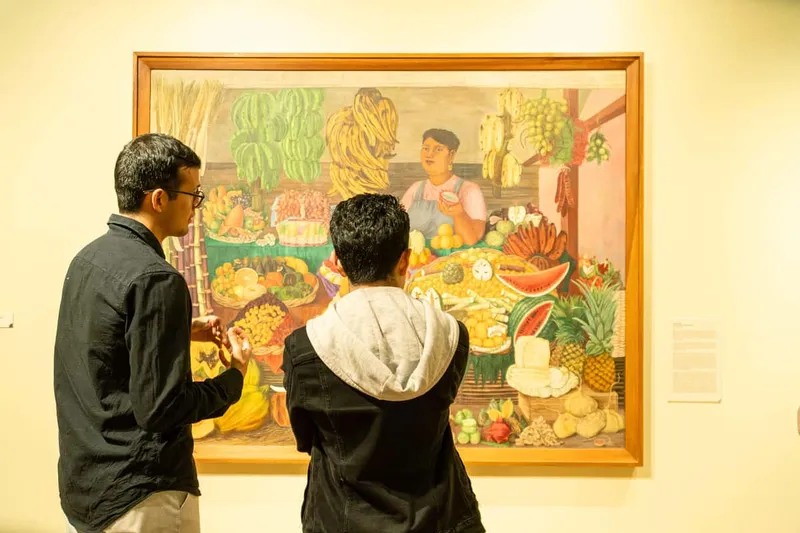
Over in Chapultepec, the Museo de Arte Moderno holds the crowd favorites, Frida Kahlo's Las dos Fridas and the surreal canvases of Remedios Varo. Two museums nearby round out the picture but sell tickets only at the door: the Museo de Arte Popular, a joyful collection of folk art, and the Museo Jumex for contemporary work. A muralism walking tour ties the political history together far better than the wall texts do.
Castillo de Chapultepec / Palaces & History
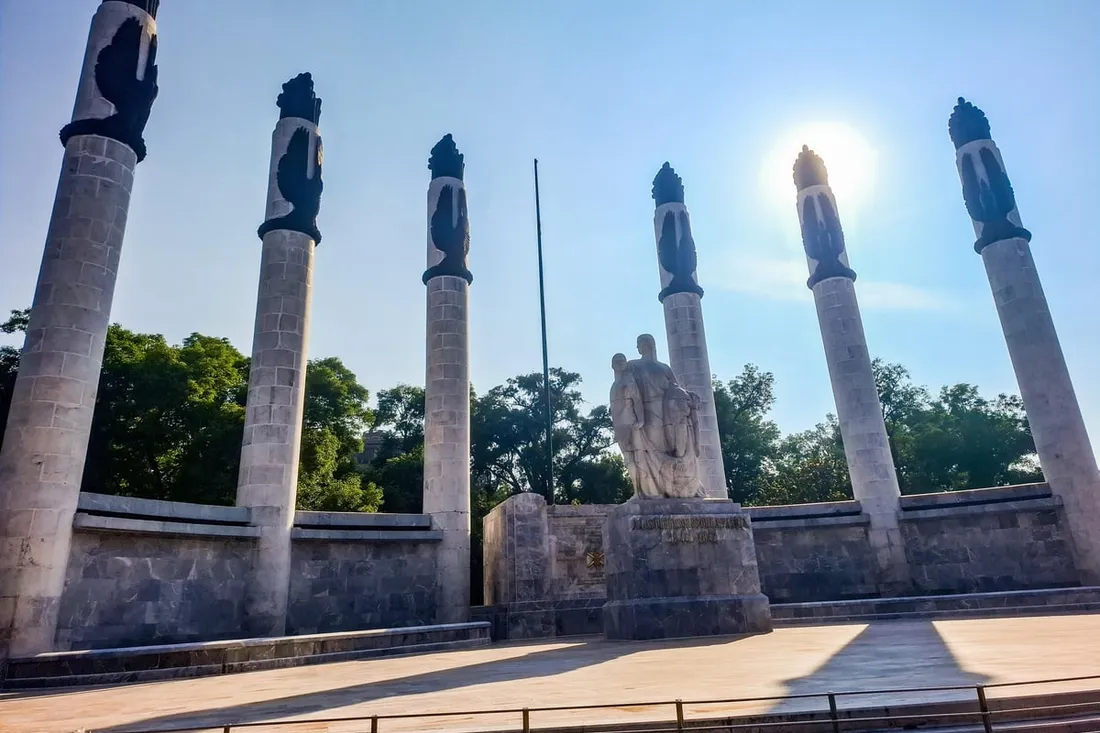
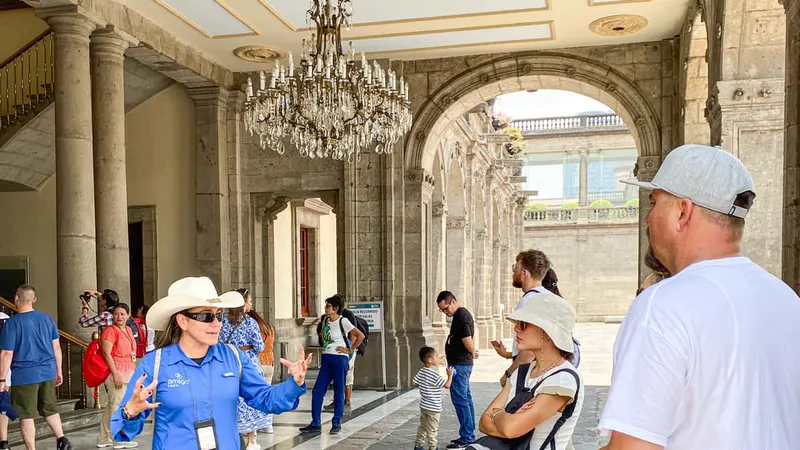
Chapultepec Castle is the headline here, and rightly so: it is the only castle in the Americas to have housed sovereigns, and it wears both of its lives at once. Emperor Maximilian's furnished apartments and gardens sit alongside sweeping murals about Mexico's fight for independence, and the terraces give the best free view straight down Paseo de la Reforma. It opens Tuesday to Sunday, 9:00 to 17:00, with last entry around 16:00, and closes on Mondays.
The hill is steep, so wear comfortable shoes and carry water, or take the little train that saves the climb. Entry is about 95 MXN and free on Sundays for residents. Because the castle shares Chapultepec Park with the Anthropology Museum, the classic move is to pair the two in a single day, which most combined tours are built around.
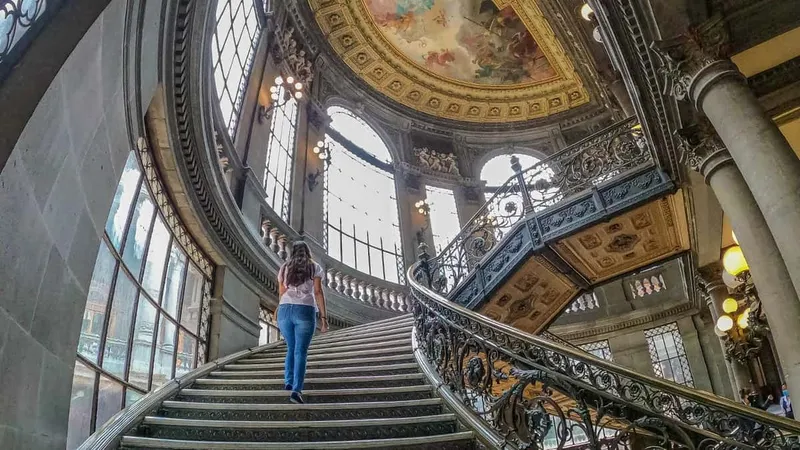
Downtown tells a different story of grandeur. A walking loop through the historic center links the wrought-iron Postal Palace, the marble staircases of MUNAL, the Palacio de Bellas Artes, and the Tiffany-glass ceiling of the Gran Hotel by the Zócalo. Much of it is free to admire, which makes the downtown palaces the best-value history in the city.
MUTEM & MUCHO / Culture & Flavors
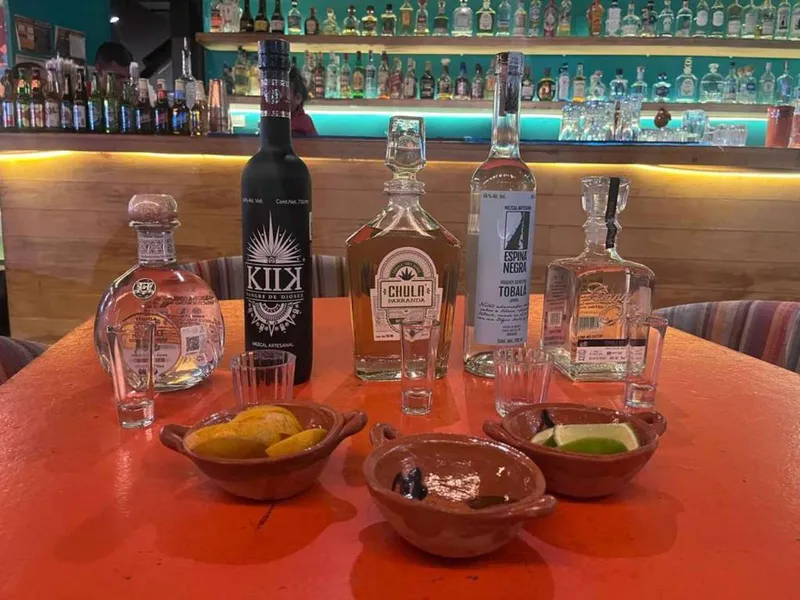
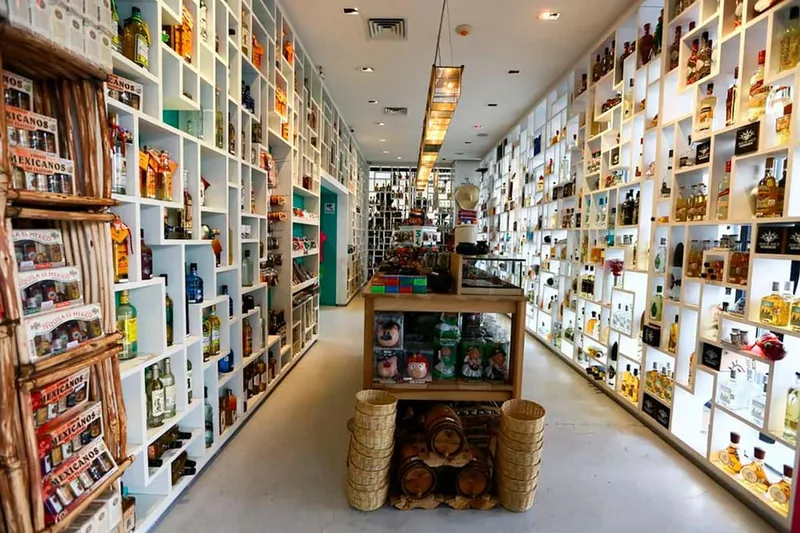
Some museums in Mexico City ask you to use more than your eyes, and this group is the tastiest of them. The Museo del Tequila y el Mezcal, or MUTEM, sits right on Plaza Garibaldi, where mariachis have gathered for generations. It walks you through how agave becomes tequila and mezcal and then pours the difference, and it is open daily, roughly 11:00 to 21:00, with entry around 90 MXN plus tasting add-ons.
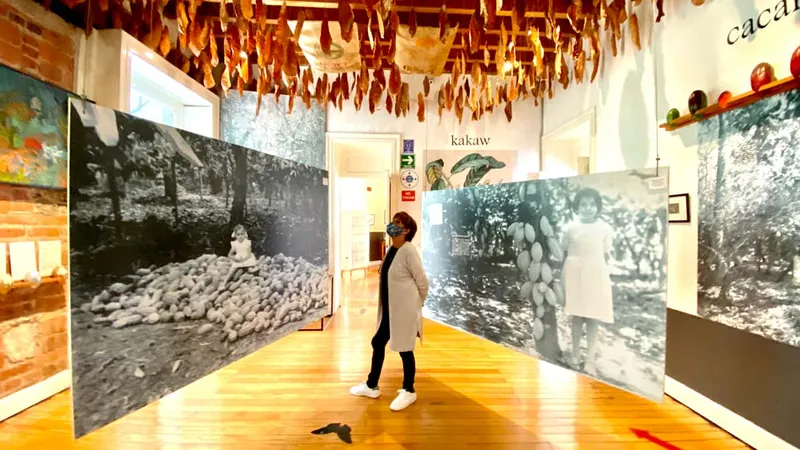
A short ride away on the Roma-Juárez border, the MUCHO Museum of Chocolate turns a restored mansion into a sensory tour of cacao, from Aztec sacred drink to modern bar, complete with a room lined entirely in chocolate. It is small, cheap, and open daily around 11:00 to 17:00, and it pairs perfectly with a Roma food stroll afterward.
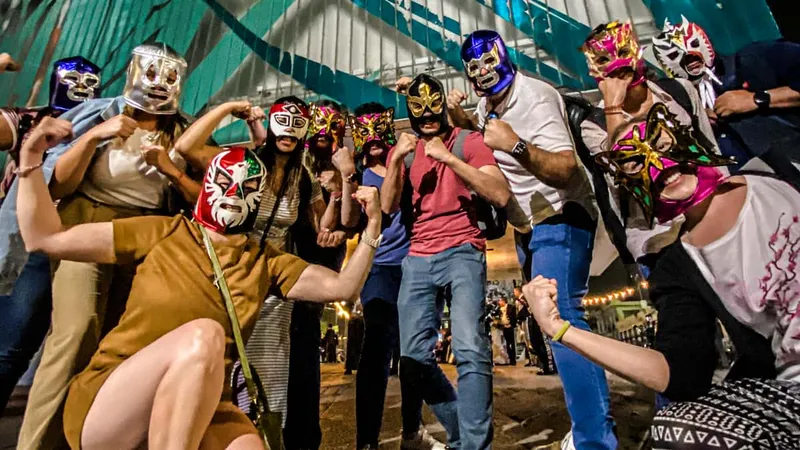
The most Mexican night out of all is Lucha Libre, the masked, high-flying wrestling that says more about the culture than any wall text. Plaza Garibaldi can feel rough after dark, so the packages that bundle a guide, a tequila tasting and a live show are the smart way to experience both. Do MUCHO in the afternoon and save Garibaldi and Lucha Libre for the evening.
Museo Soumaya & Mystika / Modern Icons
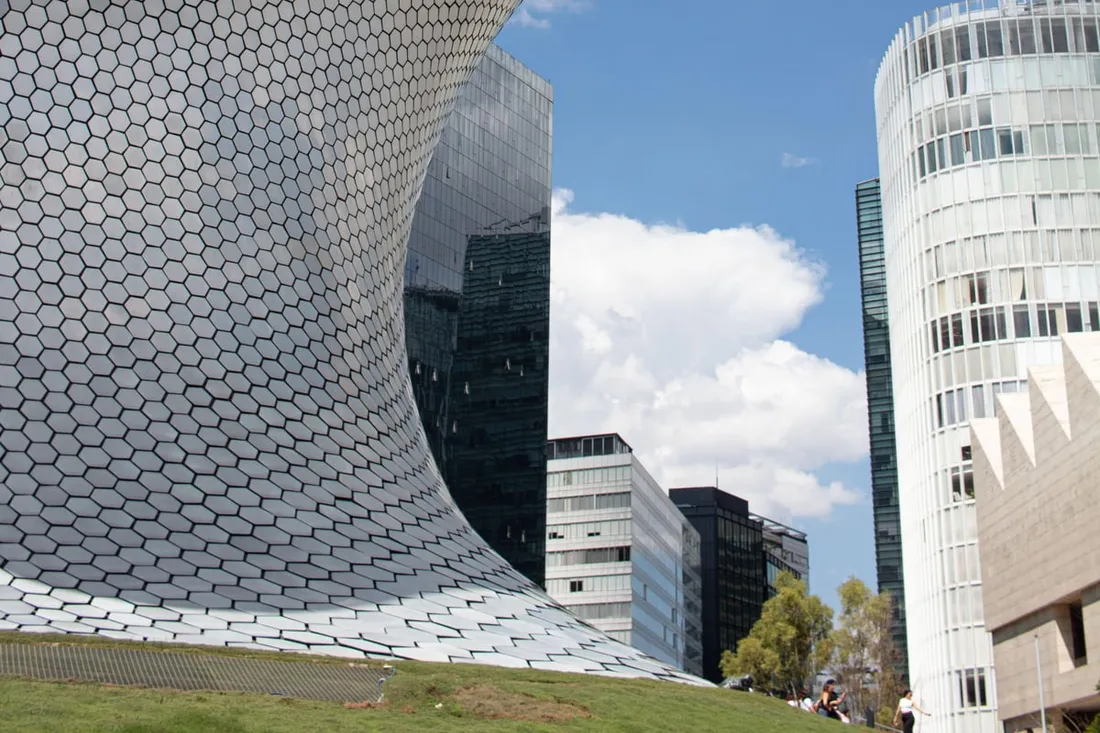
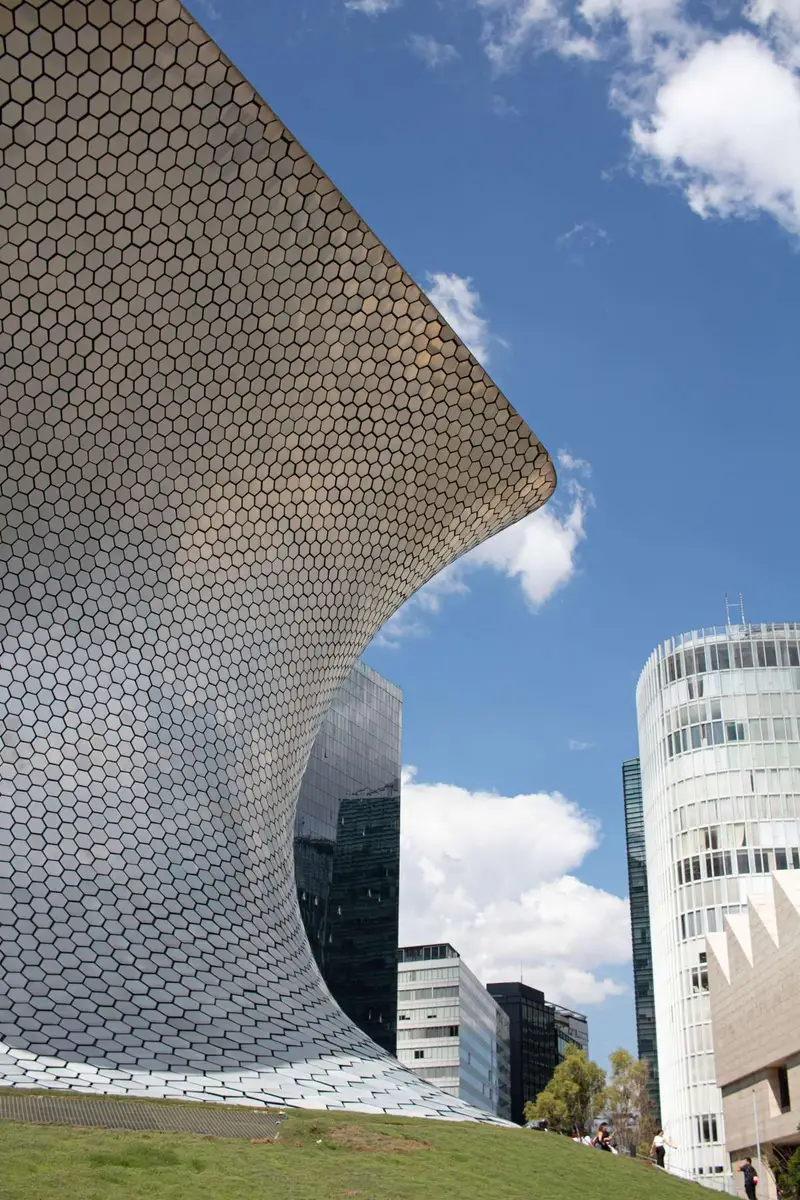
Not every great museum in Mexico City is ancient. Start with the museums in Polanco: the Museo Soumaya is the city's boldest modern building, a curving tower clad in thousands of mirrored hexagons, and its collection is free every single day, Mondays included. Inside you will find the largest Rodin holdings outside France alongside European masters and Mexican art, spanning thirty centuries. It opens daily, roughly 10:30 to 18:30.
That free, always-open status makes the Soumaya the perfect fallback for a Monday, when almost every state museum shuts. Start at the top floor and spiral down. Right beside it, the Museo Jumex holds the city's finest contemporary art, though it sells tickets only at the door rather than online.
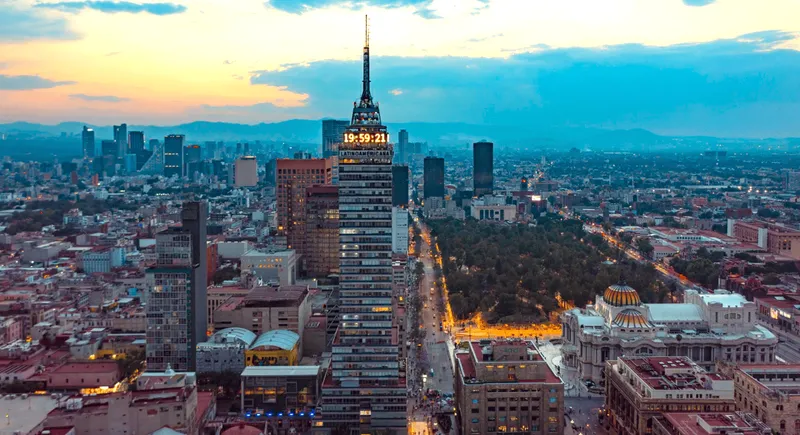
For something different, Mystika wraps you in floor-to-ceiling projections of Mexico's canyons, cenotes and skies, an easy hour that families love, with tickets around 200 MXN. And for the best paid view in the city, ride the Torre Latinoamericana to its 44th-floor deck; time it for late afternoon to catch downtown in daylight and then lit up after dark.
Museo Memoria y Tolerancia / Memory & Reflection
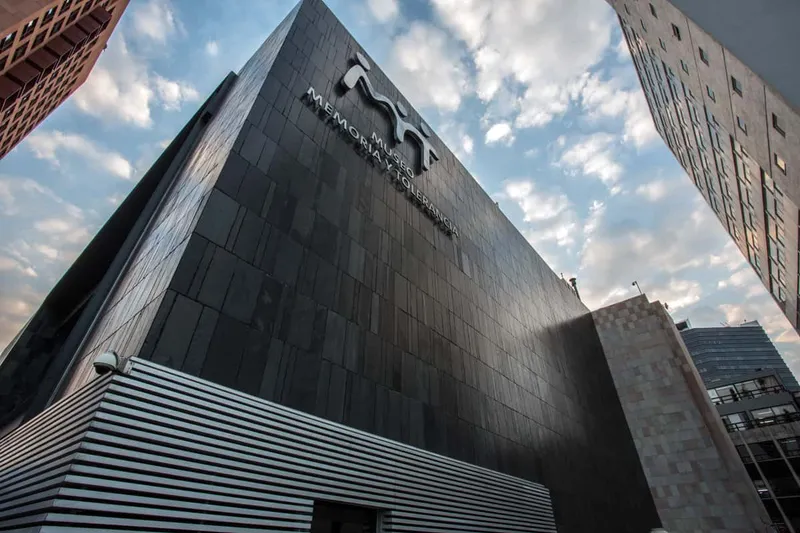
The Museo Memoria y Tolerancia is not a light stop, but it is one of the most thoughtfully built museums in Mexico City, and it consistently moves the people who visit it. Overlooking Plaza Juárez in the historic center, next to the Alameda and Bellas Artes, it is split into two halves: Memory, which documents genocide, and Tolerance, which turns toward human rights and what individuals can do.
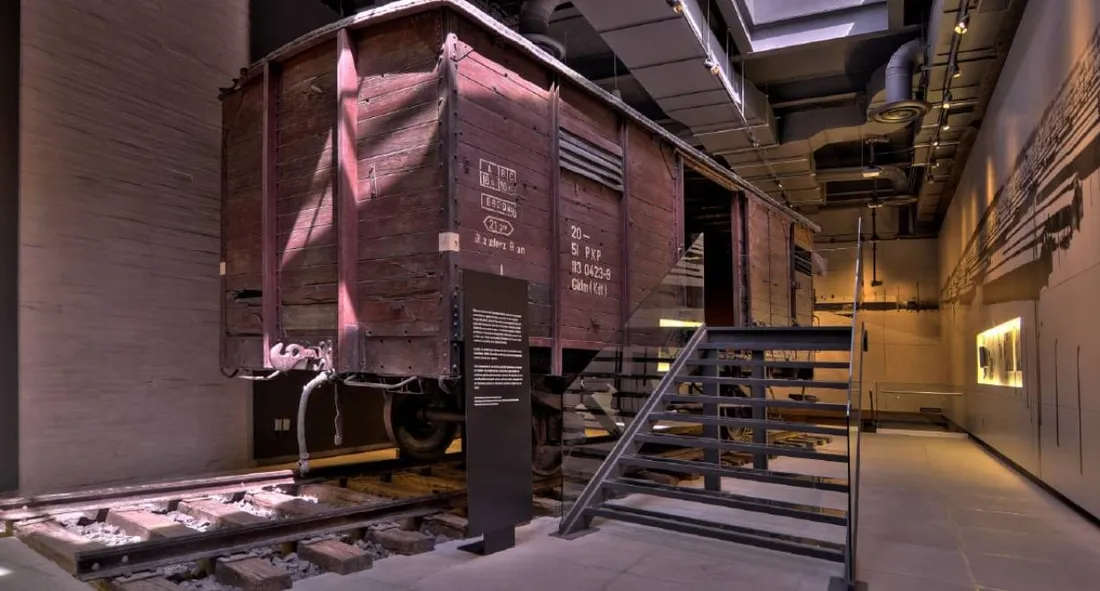
The Memory wing covers the Holocaust and the genocides in Armenia, Rwanda and Cambodia, anchored by a preserved deportation rail car and installations that land hard. The Tolerance wing tackles discrimination, hate speech and human rights in the present day. Allow at least two hours, and go with energy rather than at the end of an exhausting day; it asks a lot of you emotionally, and it is not recommended for young children.
It opens Tuesday to Sunday, from 9:00 to 18:00 on weekdays and 10:00 to 19:00 at weekends, and closes on Mondays. Entry is about 110 MXN, which for a museum of this scale and ambition is remarkable value. Because it sits right by the Alameda, Bellas Artes and MUNAL, it slots neatly into a historic-center day, ideally as your first and freshest stop of the morning.
 from $67Our pick